

Artificial intelligence is no longer a future concept in real estate — it's already changing how agents generate leads, market listings, manage transactions, and communicate with clients.
But despite widespread adoption, most agents are still figuring out how to use AI effectively.
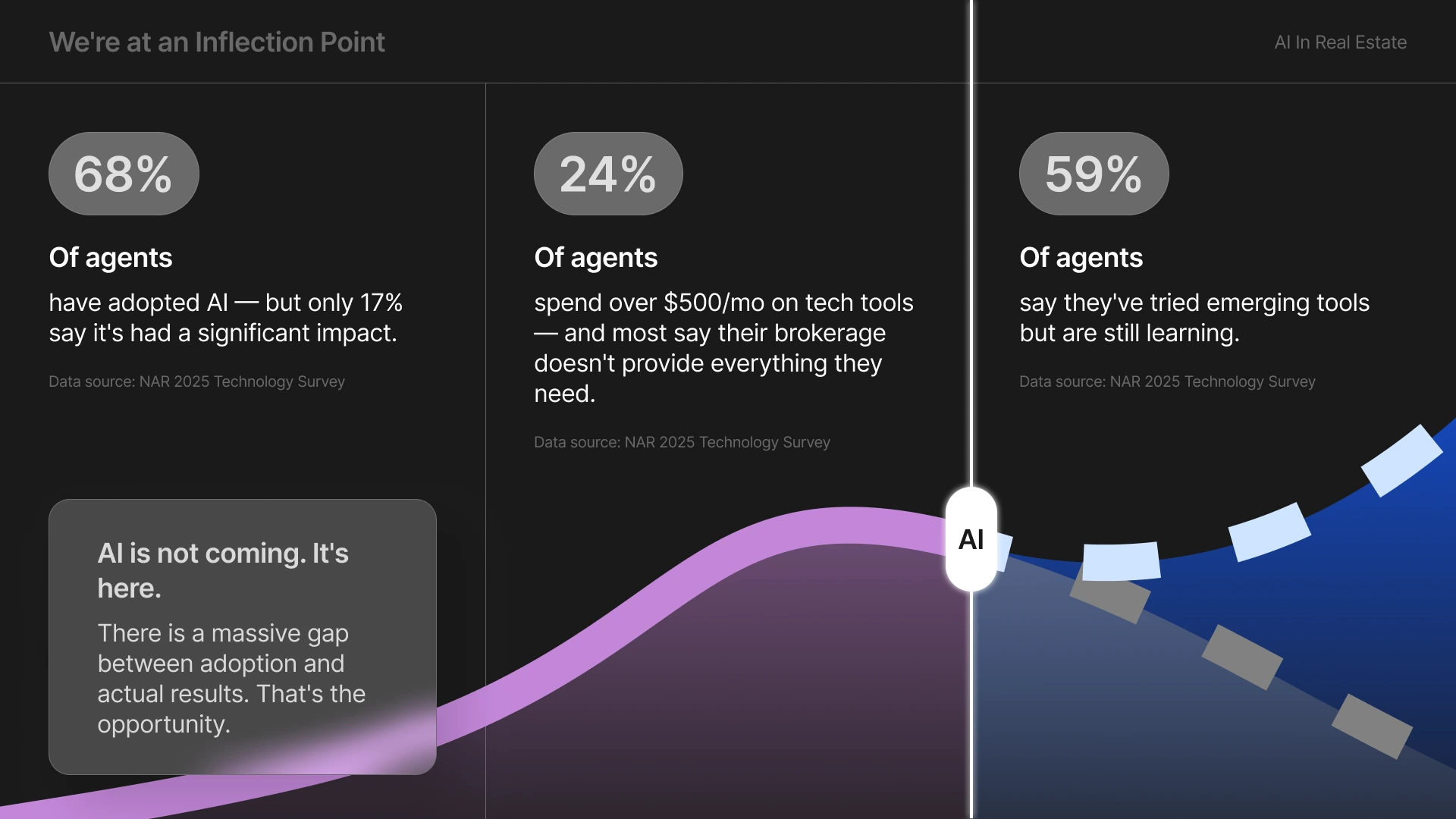
According to recent industry technology surveys, a majority of real estate professionals have experimented with AI tools, yet only a small percentage feel they are seeing meaningful results. This gap between adoption and impact represents one of the biggest opportunities in the industry today.
The question is no longer whether AI will reshape real estate — it's how agents can use it strategically to stay competitive.
The Industry Is at an Inflection Point
Real estate is entering a major technological shift.
AI tools are becoming easier to use, more affordable, and increasingly integrated into everyday workflows. At the same time, agents are managing more data, more marketing channels, and higher client expectations than ever before.
Key industry trends highlight the current moment:
- A growing majority of agents have experimented with AI tools.
- Many agents spend hundreds of dollars per month across multiple disconnected platforms.
- Most professionals say they are still learning how to implement AI effectively.
This creates a clear divide:
- Agents who simply try AI tools.
- Agents who integrate AI into their workflows and transform how they work.
The second group is already gaining a competitive advantage.
The Real Opportunities — and Risks — of AI in Real Estate
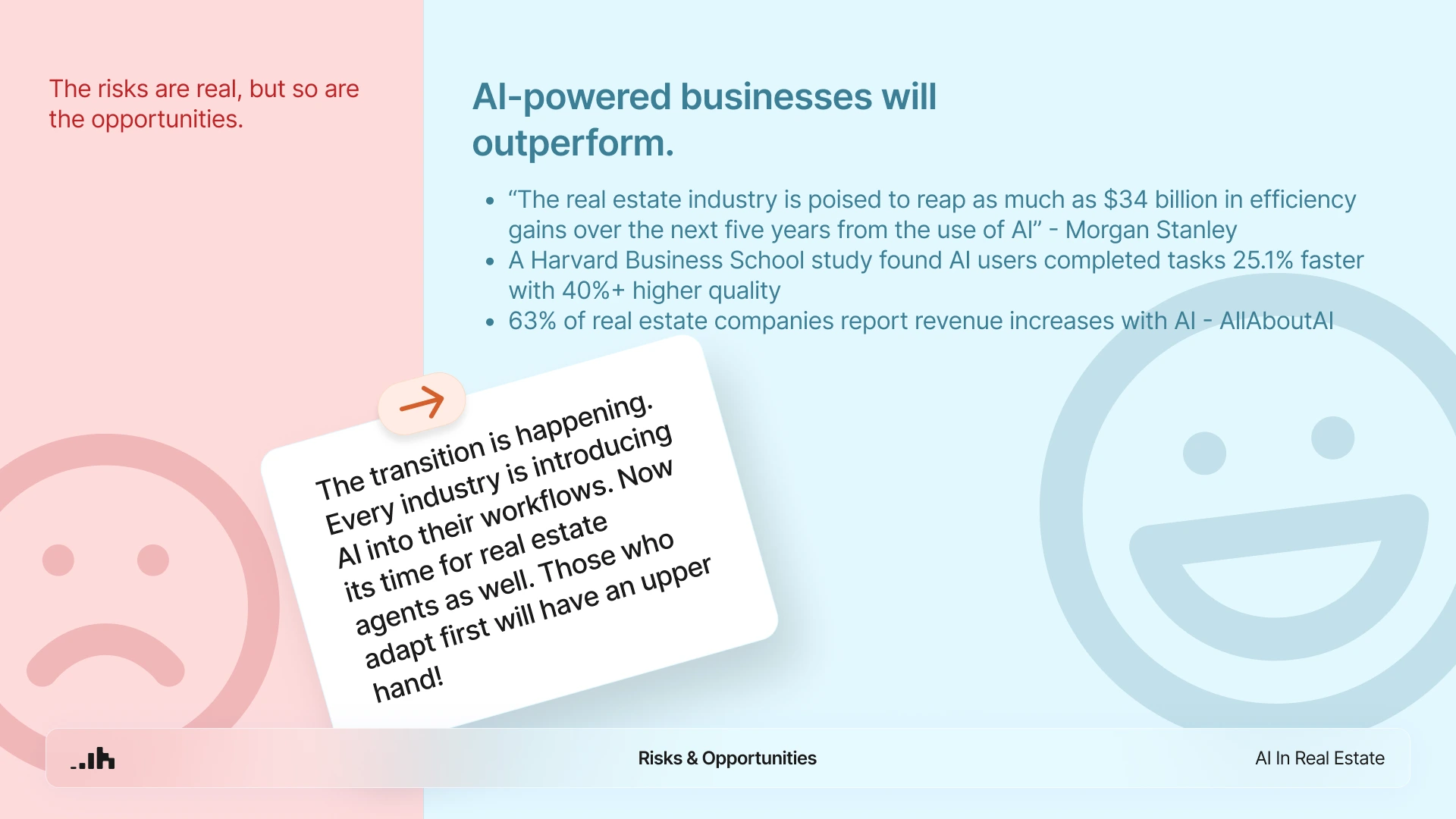
AI is not about replacing agents. It's about removing friction from daily tasks.
Agents using AI effectively are:
- Closing deals faster through better preparation.
- Automating repetitive administrative work.
- Spending more time on high-value activities like client relationships and negotiation.
However, there are real risks to understand:
- AI can generate inaccurate or misleading information.
- Data security and privacy must be taken seriously.
- Compliance requirements still apply to AI-generated content.
The most successful agents treat AI as an assistant — not an autopilot.
Where Agents Actually Stand with AI Today
Despite all the industry conversation around AI, adoption remains uneven.
Some agents use AI daily to streamline workflows, while others have never used it at all.
Among those experimenting with AI, general-purpose assistants like ChatGPT, Google Gemini, and Microsoft Copilot are currently the most common entry points.
This reflects an important reality:
- Most agents are starting with general tools — not real estate–specific solutions.
The next phase of AI adoption will be about moving beyond experimentation into structured workflows designed for real estate.
The AI Tools Every Real Estate Agent Should Know
You don't need technical expertise to start using AI. Many powerful tools are already accessible.
General AI Assistants
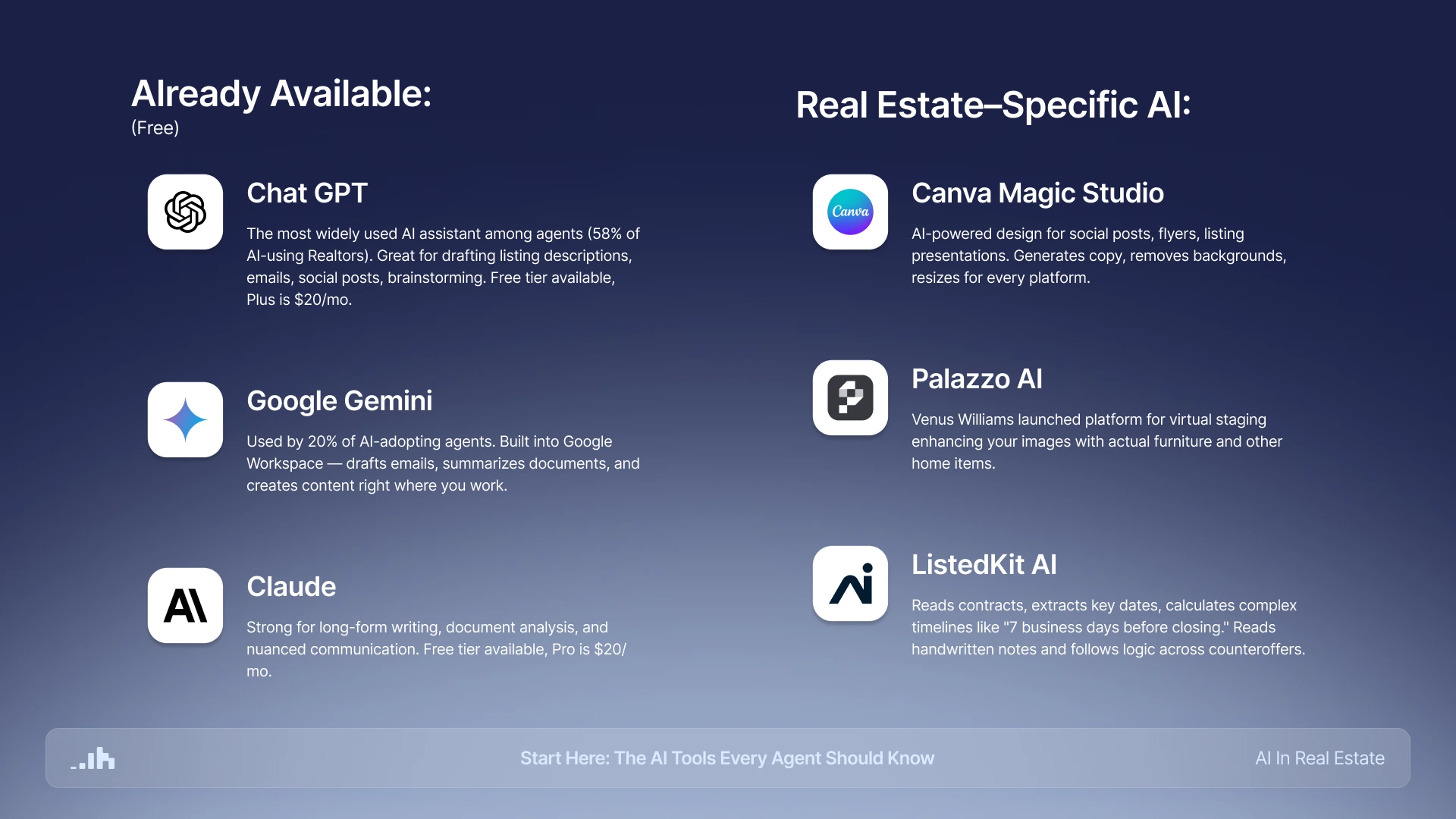
ChatGPT (OpenAI)
Widely used for drafting listing descriptions, emails, marketing copy, and brainstorming ideas.
Claude (Anthropic)
Strong for long-form writing, document analysis, and nuanced communication.
Google Gemini
Integrated into Google Workspace for summarizing documents, drafting emails, and creating content directly within existing workflows.
Real Estate–Focused AI Tools
Canva Magic Studio
AI-powered design tools for social posts, listing presentations, and marketing materials.
Palazzo AI
Virtual staging and property visualization powered by AI.
These tools allow agents to move faster without needing advanced design or technical skills.
AI for Listing Descriptions and Marketing Copy
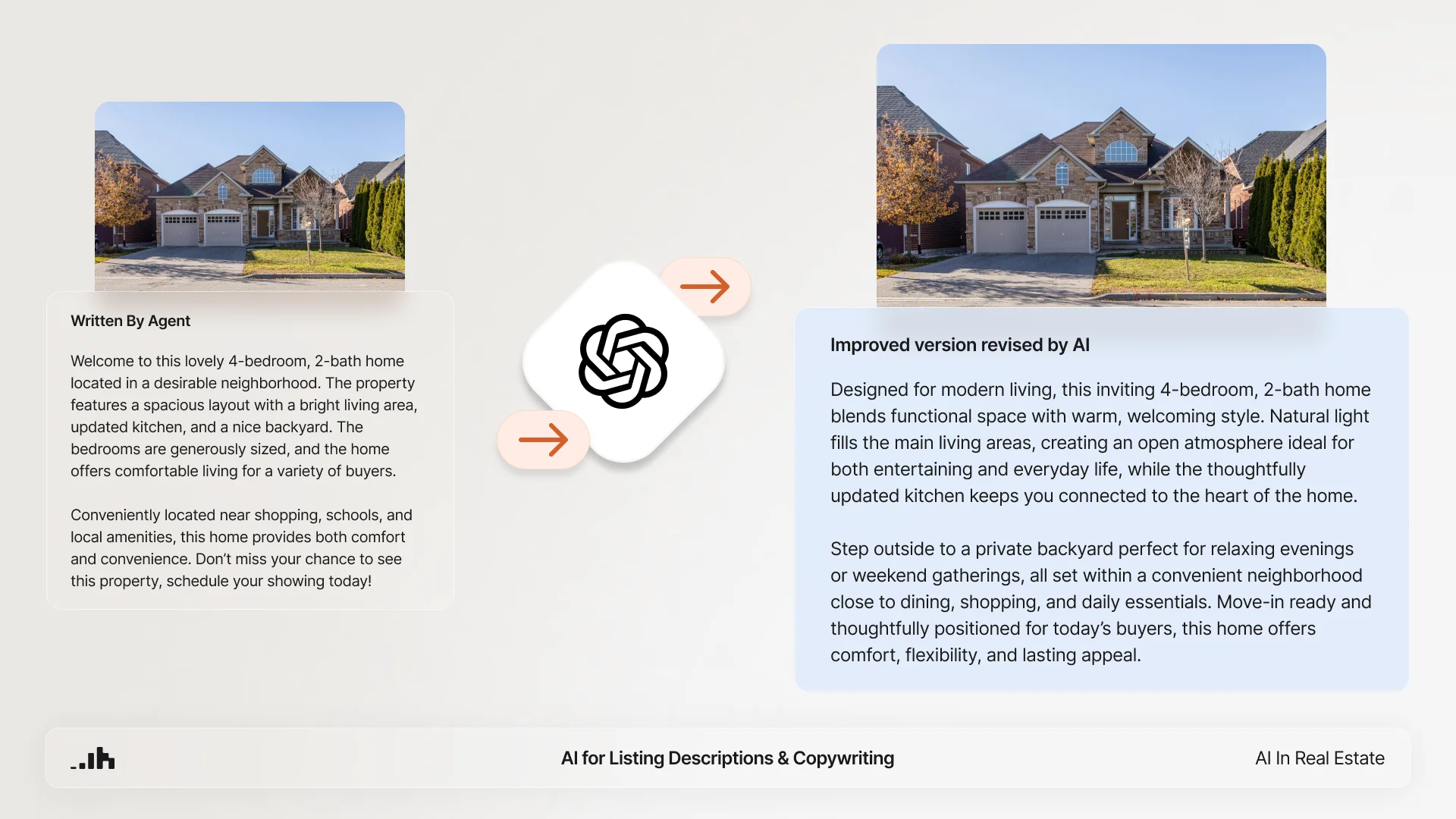
One of the most immediate uses of AI is generating listing descriptions.
Instead of spending 30–45 minutes drafting copy, agents can:
- Input property details and desired tone.
- Generate multiple polished drafts in seconds.
- Refine the best option.
Important reminder: AI-generated content must always be reviewed. Agents remain responsible for accuracy, fair housing compliance, and adherence to industry standards.
AI for Social Media and Content Creation
Social media continues to be one of the strongest lead-generation channels for agents.
AI helps reduce the biggest challenge: consistency.
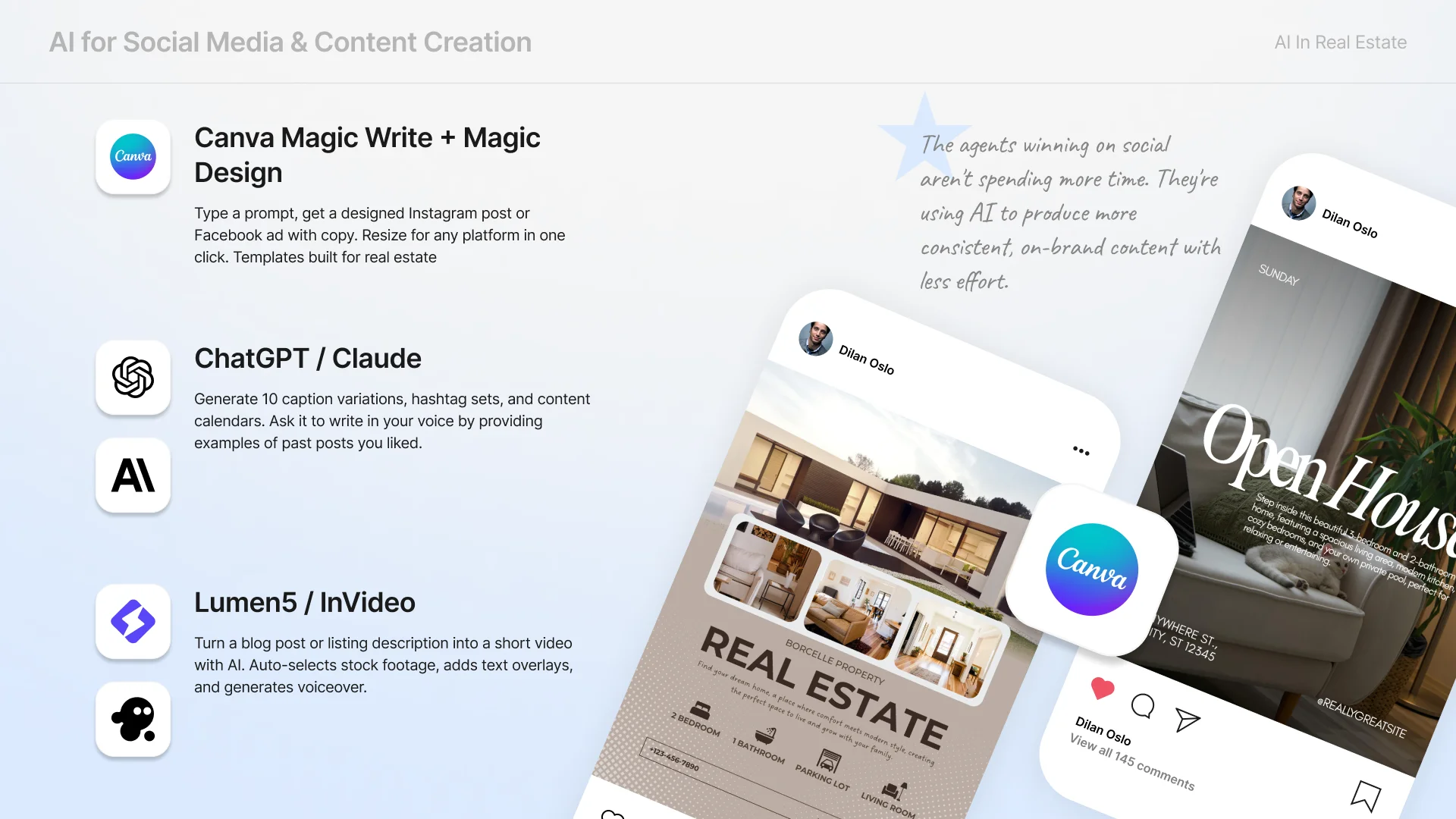
Agents can use AI to:
- Generate post ideas and captions.
- Create branded graphics quickly.
- Turn listing information into videos or reels.
- Plan content calendars.
The agents winning on social media today are not necessarily spending more time — they are leveraging AI to produce more consistent, on-brand content.
AI for Virtual Staging and Visual Marketing
Visual marketing has become faster and more accessible through AI.
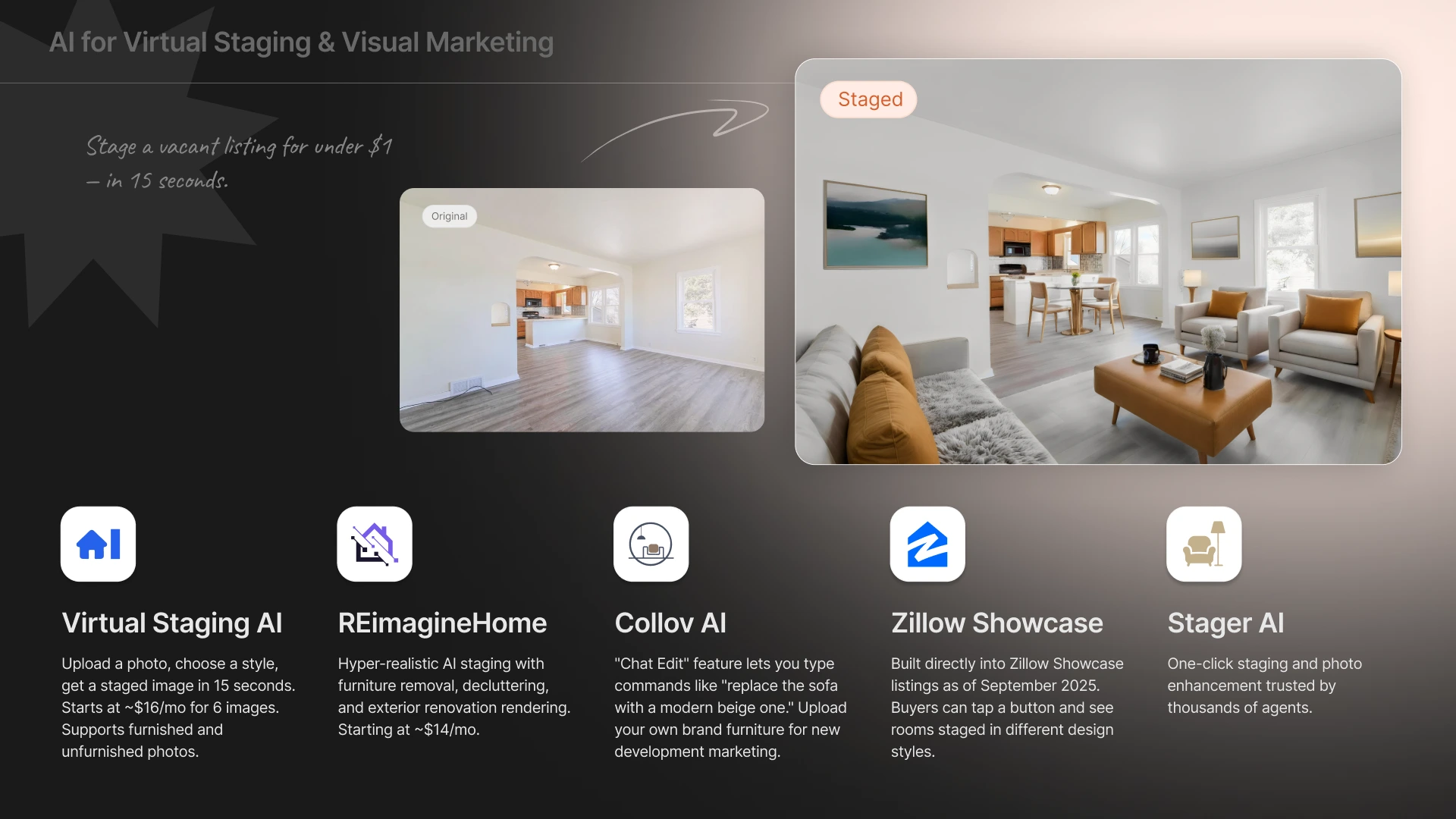
Modern tools allow agents to:
- Stage vacant rooms virtually.
- Remove clutter from photos.
- Experiment with different design styles.
- Enhance listing images instantly.
AI staging dramatically reduces cost and turnaround time compared to traditional staging — but disclosure is essential. Virtually staged images must always be clearly labeled.
AI for Client Communication and Lead Follow-Up
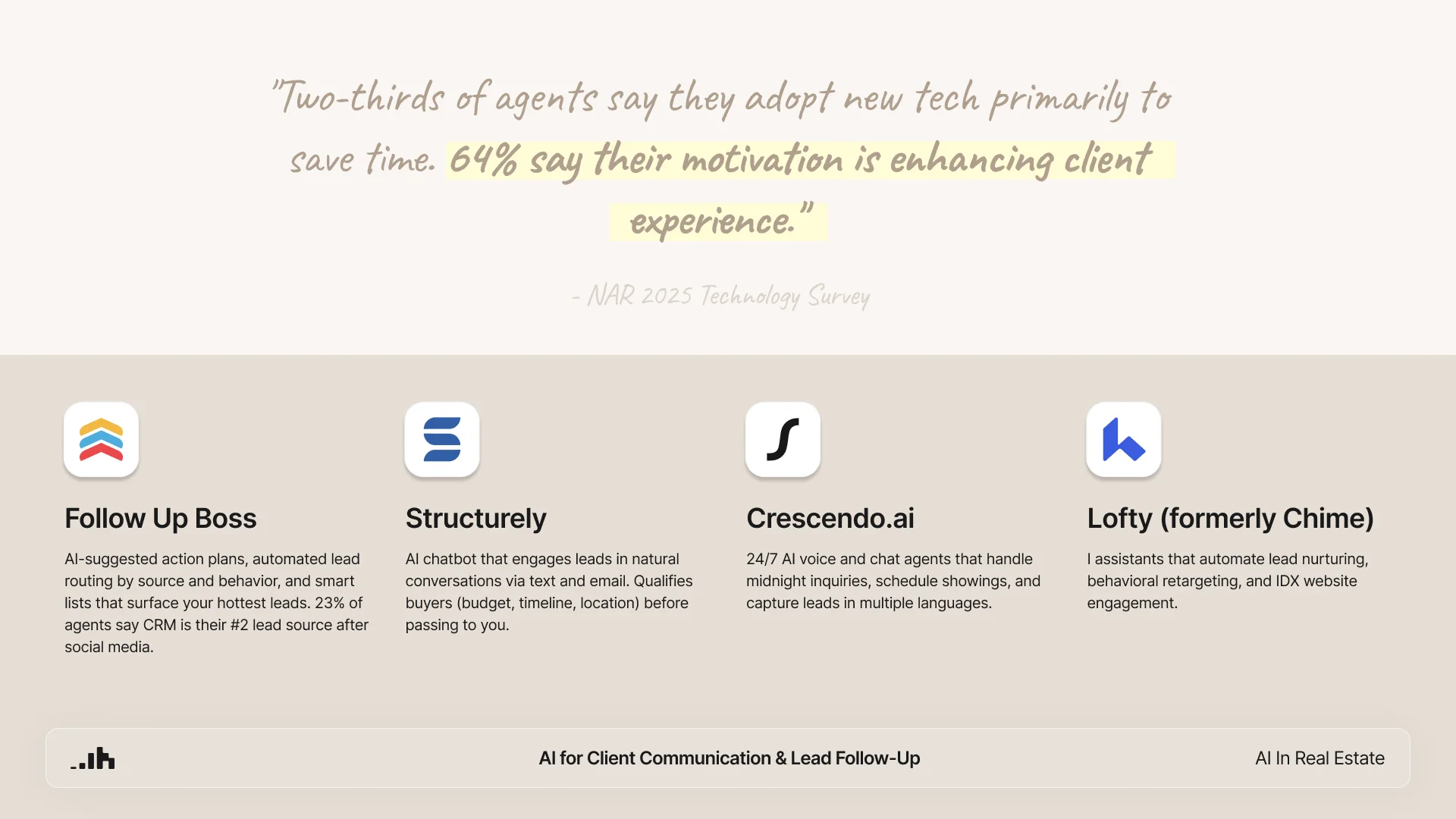
Many agents adopt new technology primarily to save time and improve the client experience.
AI excels in both areas.
Common use cases include:
- Automated follow-up messages.
- AI chatbots that qualify incoming leads.
- Email drafting assistance.
- Behavioral lead scoring and prioritization.
The key distinction is this:
- AI handles initial outreach and repetitive follow-up sequences.
- The agent handles relationship building, negotiation, and closing.
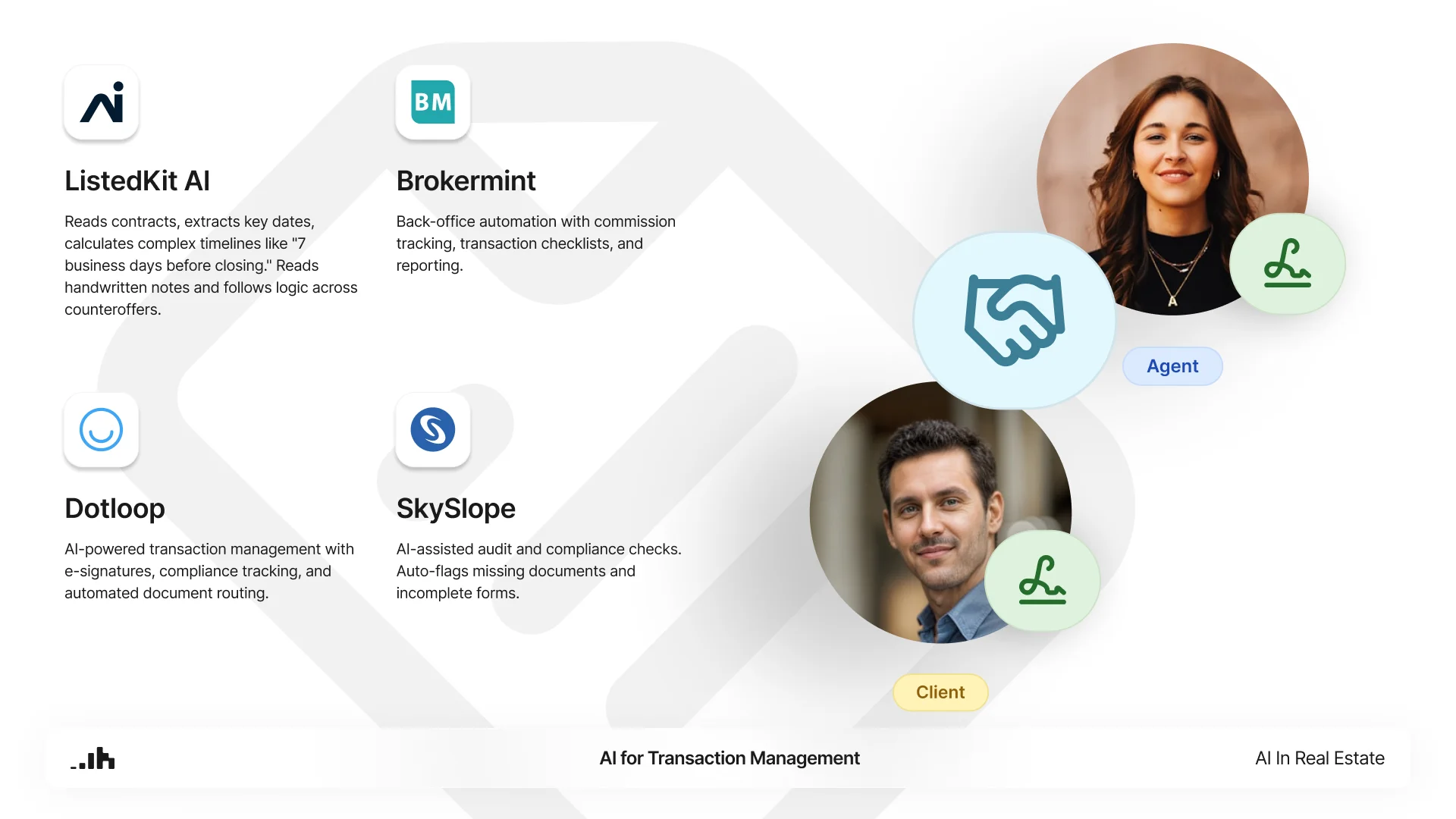
AI for Transaction Management and Compliance
Transaction management is one of the highest ROI applications for AI because it involves repetitive, detail-heavy tasks.
AI tools can:
- Extract key dates from contracts.
- Track compliance requirements.
- Automate document routing.
- Flag missing paperwork.
Reducing administrative overhead allows agents to focus on strategic work instead of paperwork.
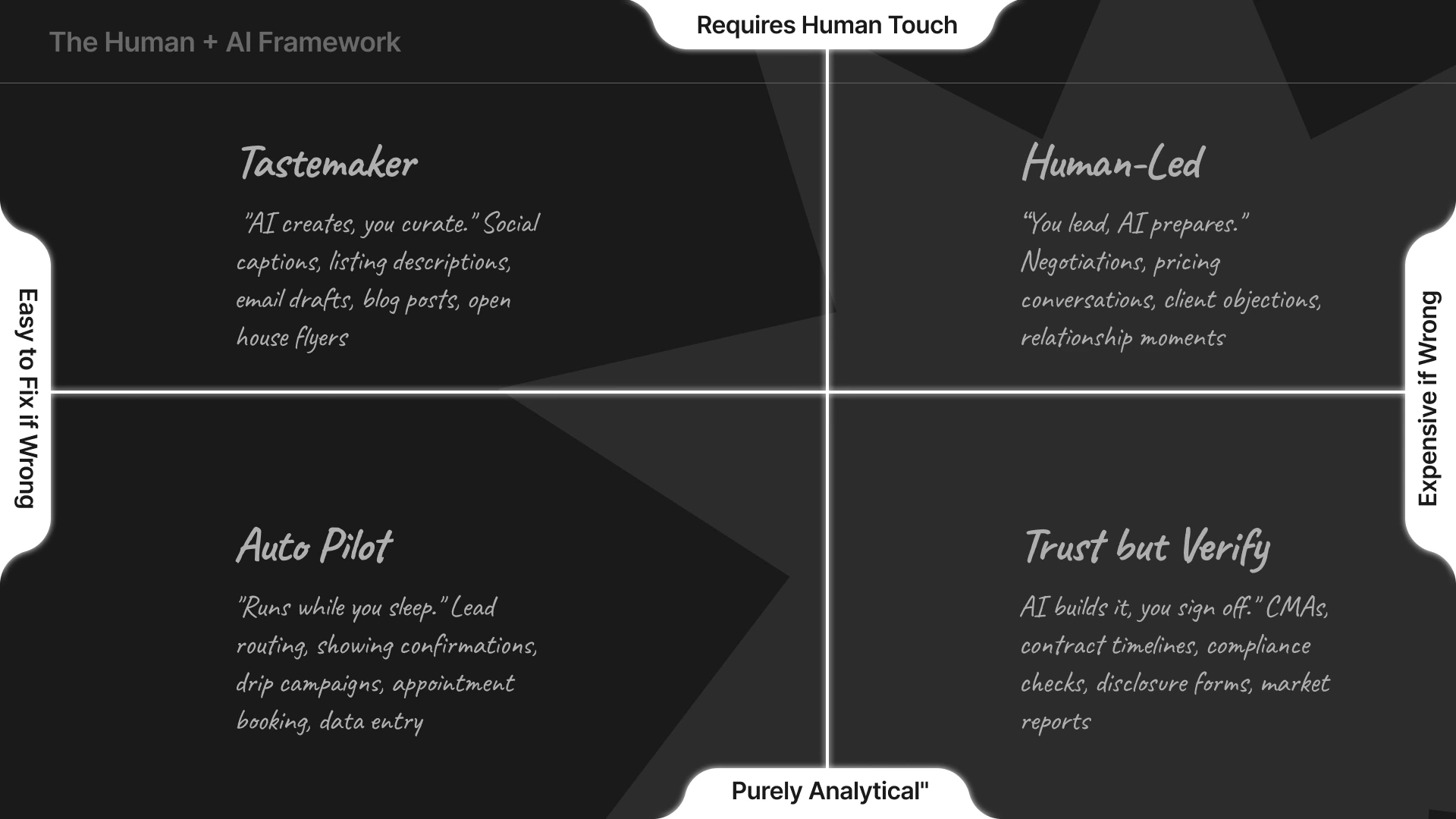
The Human + AI Framework
Understanding where AI fits is critical.
Some tasks should remain human-led:
- Negotiations
- Pricing strategy
- Client relationship building
Other tasks are ideal for automation:
- Data entry
- Lead routing
- Scheduling
- Content drafts
The most effective approach is a hybrid model where AI handles production and organization while humans provide judgment and expertise.
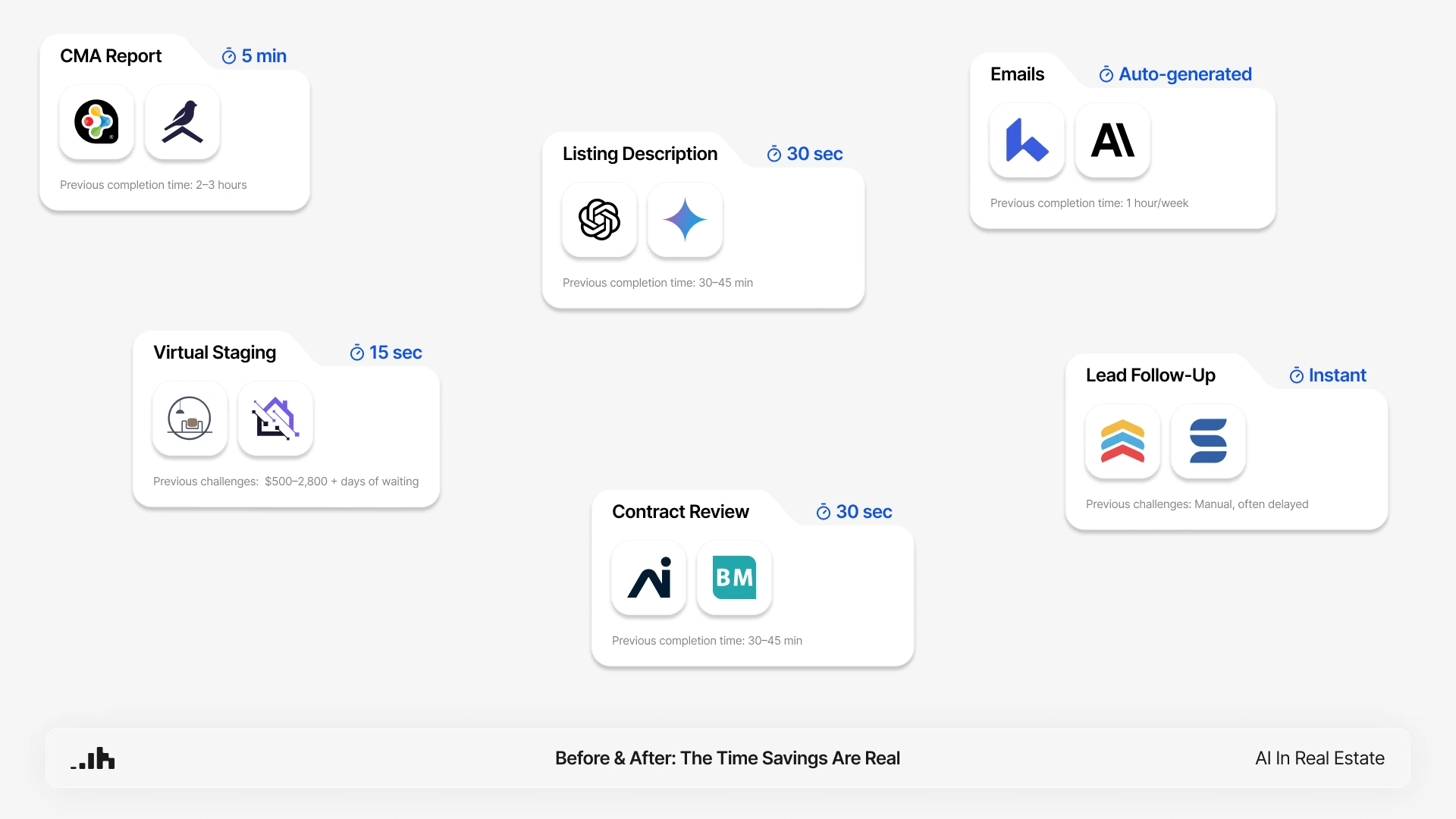
The Time Savings Are Real
AI is already compressing tasks that once took hours into minutes:
- CMA preparation can be dramatically accelerated.
- Listing descriptions generated instantly.
- Lead follow-up automated.
- Virtual staging completed in seconds.
- Contract timelines calculated automatically.
Clients increasingly expect agents to leverage technology to deliver faster insights and more responsive service.
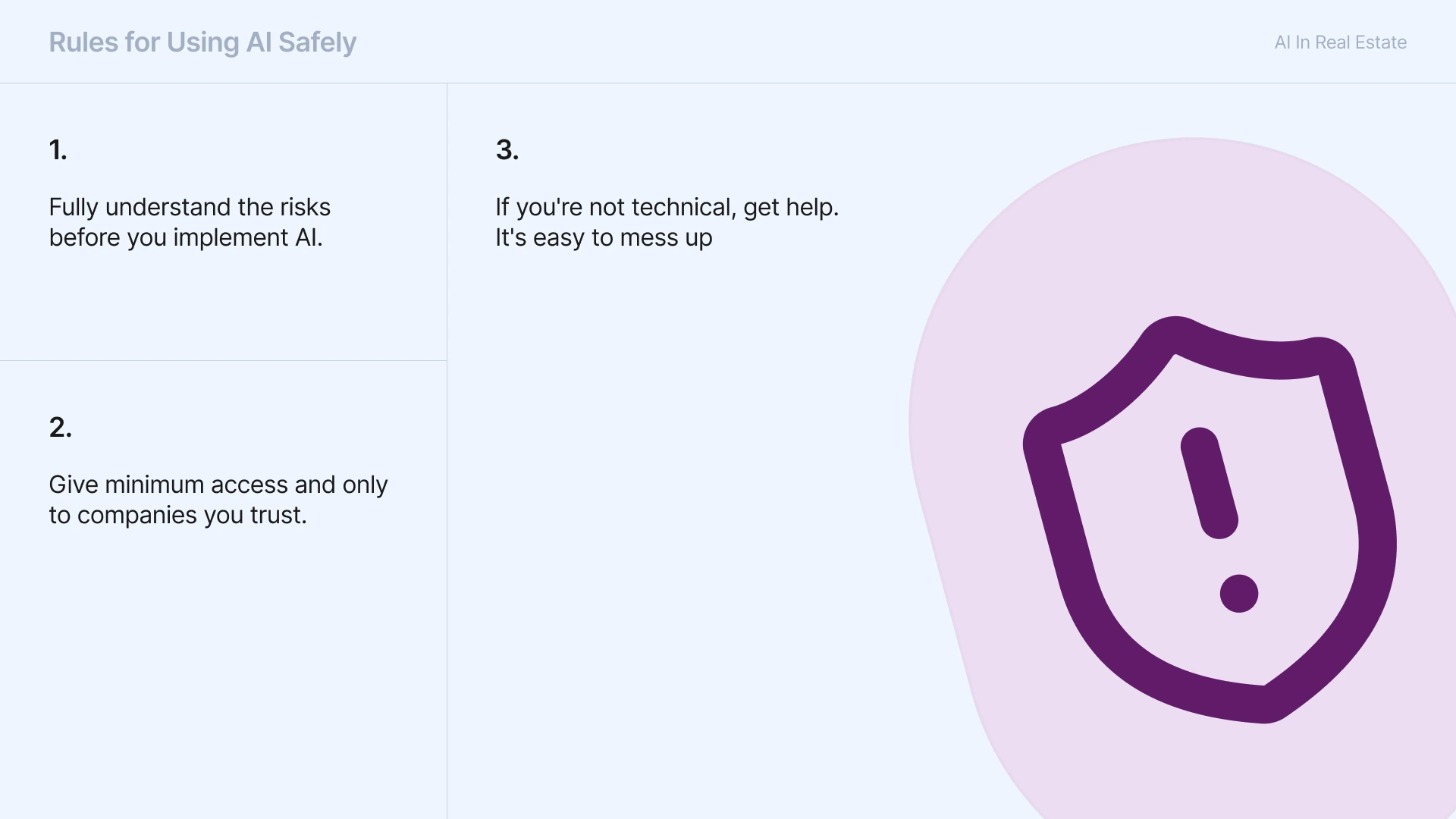
Using AI Safely: Best Practices for Agents
Before fully integrating AI into your workflow, keep these guidelines in mind:
- Never blindly trust AI output — always verify details.
- Protect client data and understand platform security.
- Maintain the human element of your business.
- Follow compliance regulations and disclosure requirements.
AI should enhance professionalism, not compromise it.
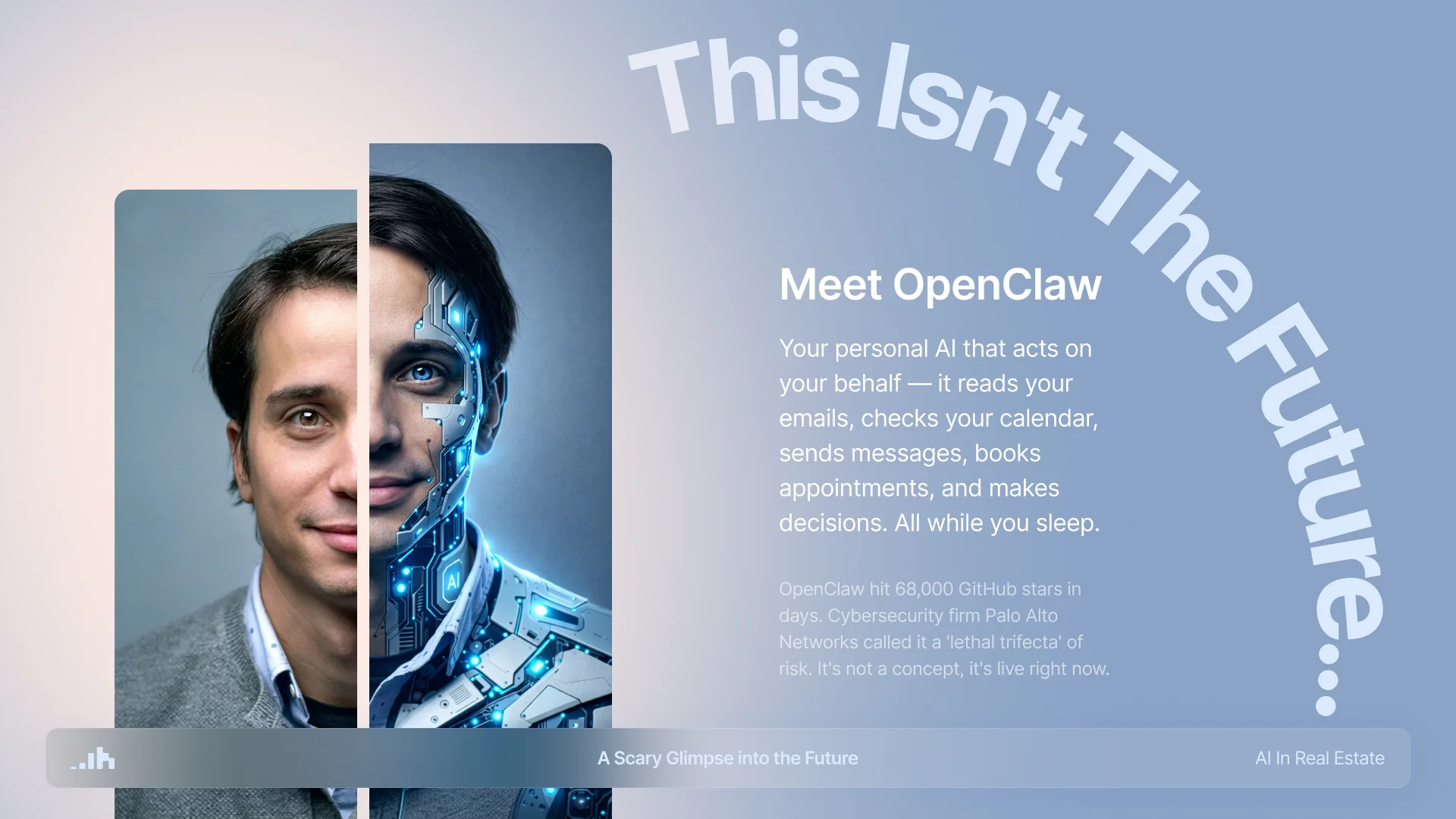
The Future: Autonomous AI Agents
The next wave of AI will move beyond simple AI tools for real estate agents toward the best AI agents for real estate: autonomous systems capable of executing multi-step workflows — managing conversations, scheduling meetings, and performing complex tasks automatically.
While this future may feel disruptive, it reinforces one reality:
Agents who understand and adapt to AI will have a significant advantage.
The Agents Who Adapt Will Win
AI will not replace real estate agents.
But agents who learn to use AI effectively will outperform those who ignore it.
Adoption alone isn't enough — success comes from integrating AI into a cohesive workflow that reduces friction and enhances productivity.
Bringing It All Together: The Shift Toward AI-Powered Platforms
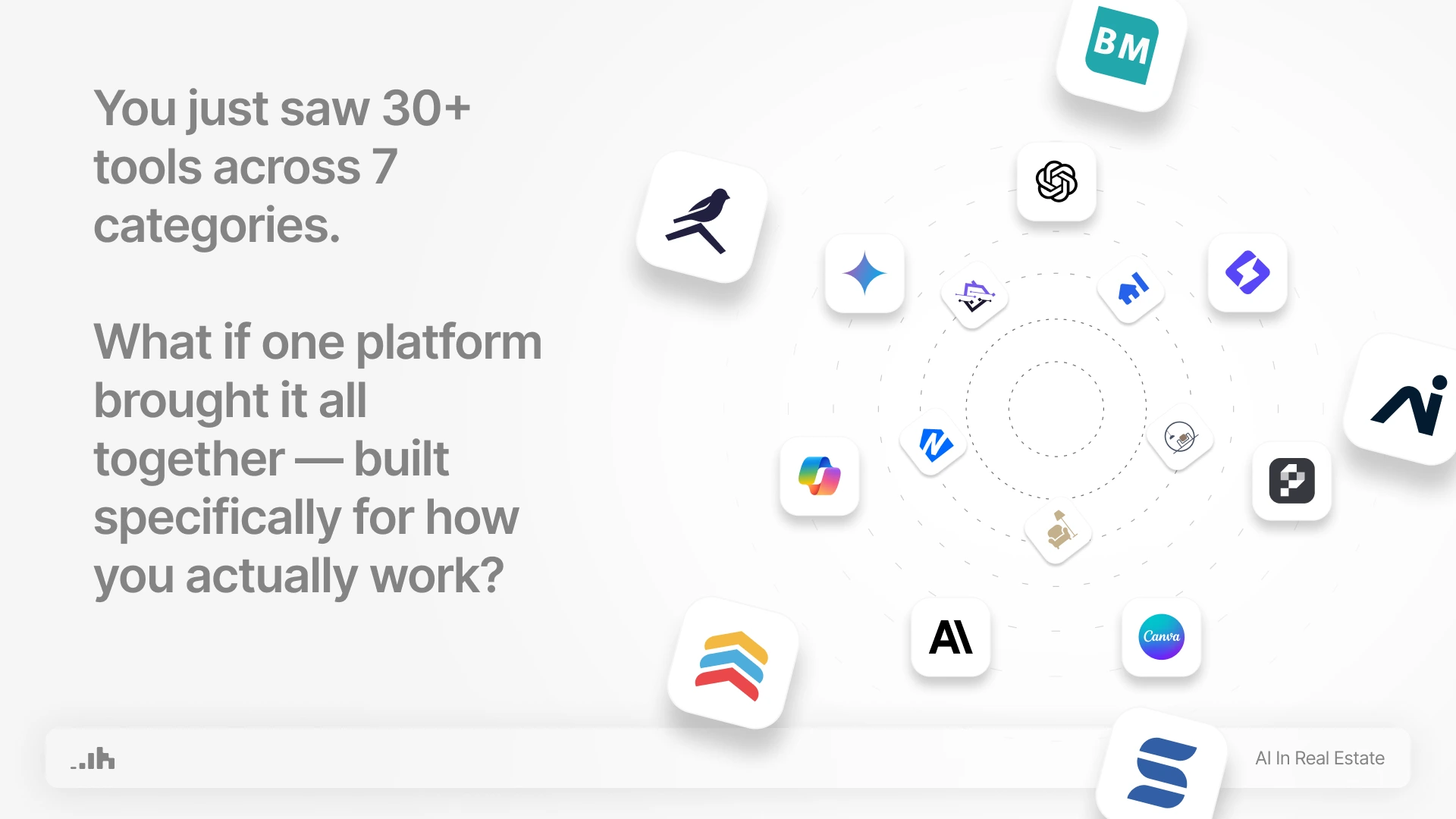
Many agents today juggle numerous separate tools for CRM, marketing, analytics, transactions, and lead management.
This fragmentation creates complexity instead of efficiency.
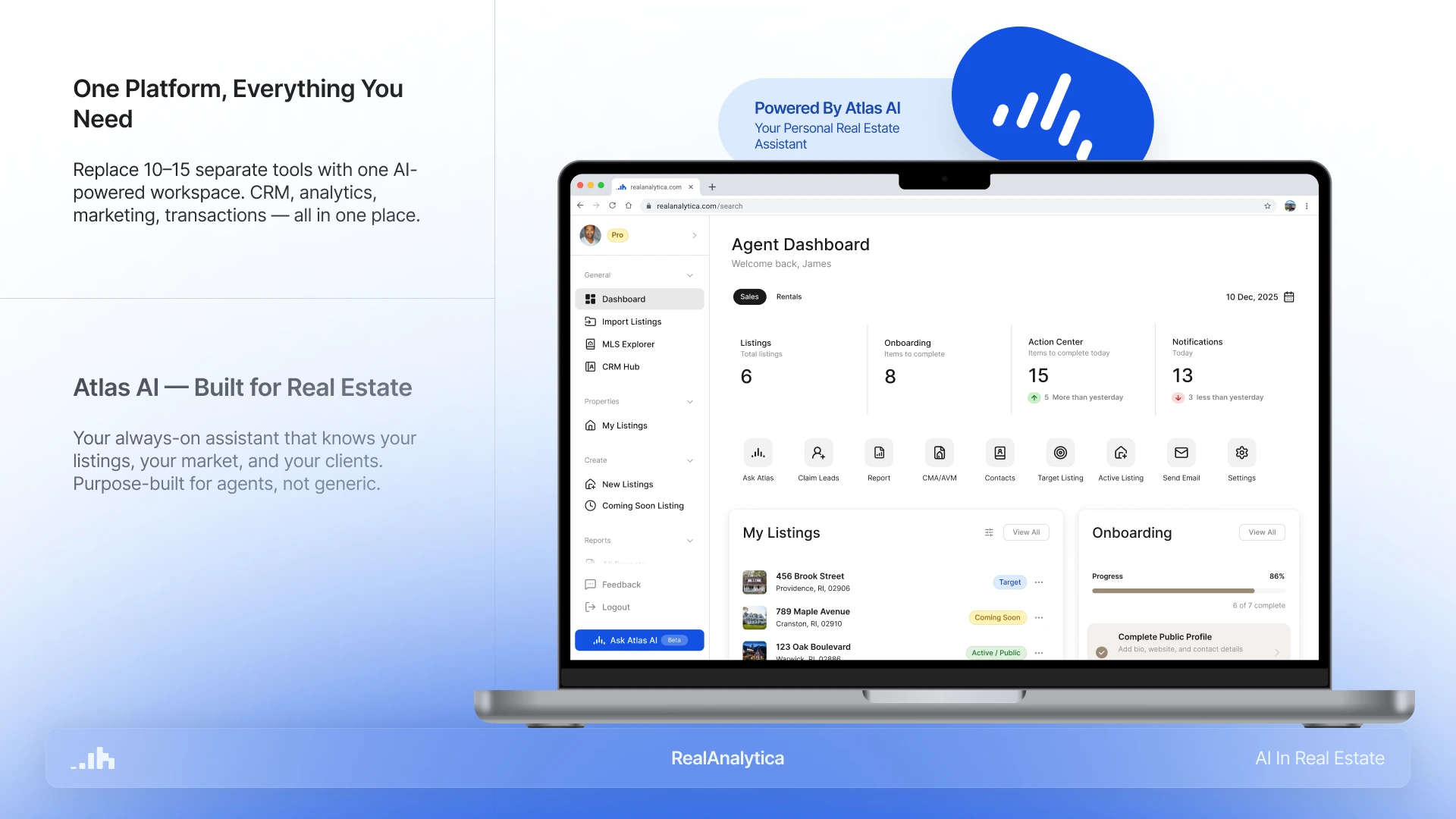
Platforms like RealAnalytica aim to consolidate these workflows into a single AI-powered platform designed specifically for real estate professionals.
With integrated seller leads, predictive analytics, automation tools, and Atlas — an AI assistant built for real estate workflows — the goal is to move beyond isolated AI tools toward a unified, intelligent workspace.
Final Thoughts
The real estate industry is entering a new era.
AI isn't just another technology trend — it's reshaping how agents operate, compete, and deliver value to clients.
The opportunity isn't simply to use AI.
It's to use it strategically.
Because in the next phase of real estate, the agents who adapt won't just keep up — they'll lead.

.webp)