

The real estate industry is entering one of its biggest structural shifts in decades.
Following the landmark National Association of REALTORS® (NAR) commission settlement and resulting policy changes, agents across the country are adapting to new expectations around transparency, compensation, and client relationships. While headlines have focused on commission structures, the deeper impact is happening behind the scenes — reshaping how agents conduct business every day.
This transition represents more than regulatory change. It signals a shift toward a more transparent, technology-driven real estate landscape where efficiency, clarity, and demonstrable value matter more than ever.
Understanding What Actually Changed
Much of the public conversation around the settlement has centered on commissions, but for agents, the real impact lies in workflow adjustments and operational transparency.
Key industry changes include:
- Buyer-agent compensation is now more explicitly negotiated rather than standardized within MLS listings.
- Offers of compensation can no longer be displayed directly on MLS platforms.
- Written buyer agreements are now required before touring homes in many cases.
These changes represent a fundamental shift away from long-standing practices that shaped agent workflows for decades.
Historically, sellers often paid commissions that were split between listing and buyer agents. Under the new framework, compensation is more negotiable and must be clearly defined between agent and client.
Why Agent Workflows Must Evolve
The traditional real estate model relied heavily on informal processes supported by MLS norms and brokerage practices. As the industry evolves, agents need more structured systems to manage relationships, documentation, and communication.
Three major shifts are emerging:
1. Documentation and Communication Are Becoming Central
With increased transparency requirements, agents must clearly outline services, compensation structures, and expectations with clients.
Written buyer agreements ensure clients understand:
- What services will be provided.
- How agents will be compensated.
- What responsibilities exist on both sides.
This increases the need for:
- CRM systems tracking communication history.
- Automated workflows.
- Digital documentation tools.
2. Demonstrating Value Is Now Essential
As commissions become more openly negotiated, agents must more clearly articulate their value proposition.
This includes:
- Market analysis and pricing strategy.
- Marketing execution and visibility.
- Data-driven insights.
- Negotiation expertise.
The industry is shifting toward a more advisory-driven model where agents must actively demonstrate expertise rather than rely on traditional assumptions.
3. Efficiency Matters More Than Ever
As expectations increase, agents must operate more efficiently without sacrificing personal service.
Technology — especially AI — is becoming essential.
According to NAR research:
- 68% of real estate agents now use AI tools.
- However, only 17% say AI has had a significant impact on their business.
This highlights a major gap between adoption and execution — and a huge opportunity for agents who integrate technology effectively.
The Shift Toward Buyer Agreements and Transparent Compensation
One of the most immediate workflow changes involves increased use of written buyer agreements.
Agents must now:
- Clearly explain services upfront.
- Discuss compensation earlier in the relationship.
- Build trust through transparency.
Industry analysts believe this will elevate professionalism by shifting agents toward advisory roles rather than purely transactional ones.
Technology Is Becoming a Competitive Advantage
As workflows become more structured, technology is moving from optional to essential.
Many agents today operate across numerous separate tools for CRM, marketing, analytics, transactions, and communication — creating fragmentation instead of efficiency.
Meanwhile, AI adoption continues to grow. NAR reports:
- 20% of agents use AI daily.
- 22% use it weekly.
- ChatGPT is currently the most widely used AI tool among agents.
The industry is moving toward integrated platforms that reduce complexity and streamline workflows.
The Human Element Matters More — Not Less
Despite fears about technology replacing agents, the opposite trend is emerging.
AI helps automate repetitive tasks such as listing descriptions, marketing drafts, and data analysis — freeing agents to focus on:
- Relationship building.
- Negotiation strategy.
- Client advisory roles.
NAR highlights AI's ability to streamline workflows while allowing agents to focus more on client relationships and strategic decision-making.
What Smart Agents Should Be Doing Right Now
Agents adapting successfully to the new landscape are focusing on:
- Creating clear, repeatable workflows.
- Using technology to maintain transparency and compliance.
- Leveraging data to demonstrate value to clients.
The shift isn't just legal — it's operational.
The Rise of AI-Powered Real Estate Platforms
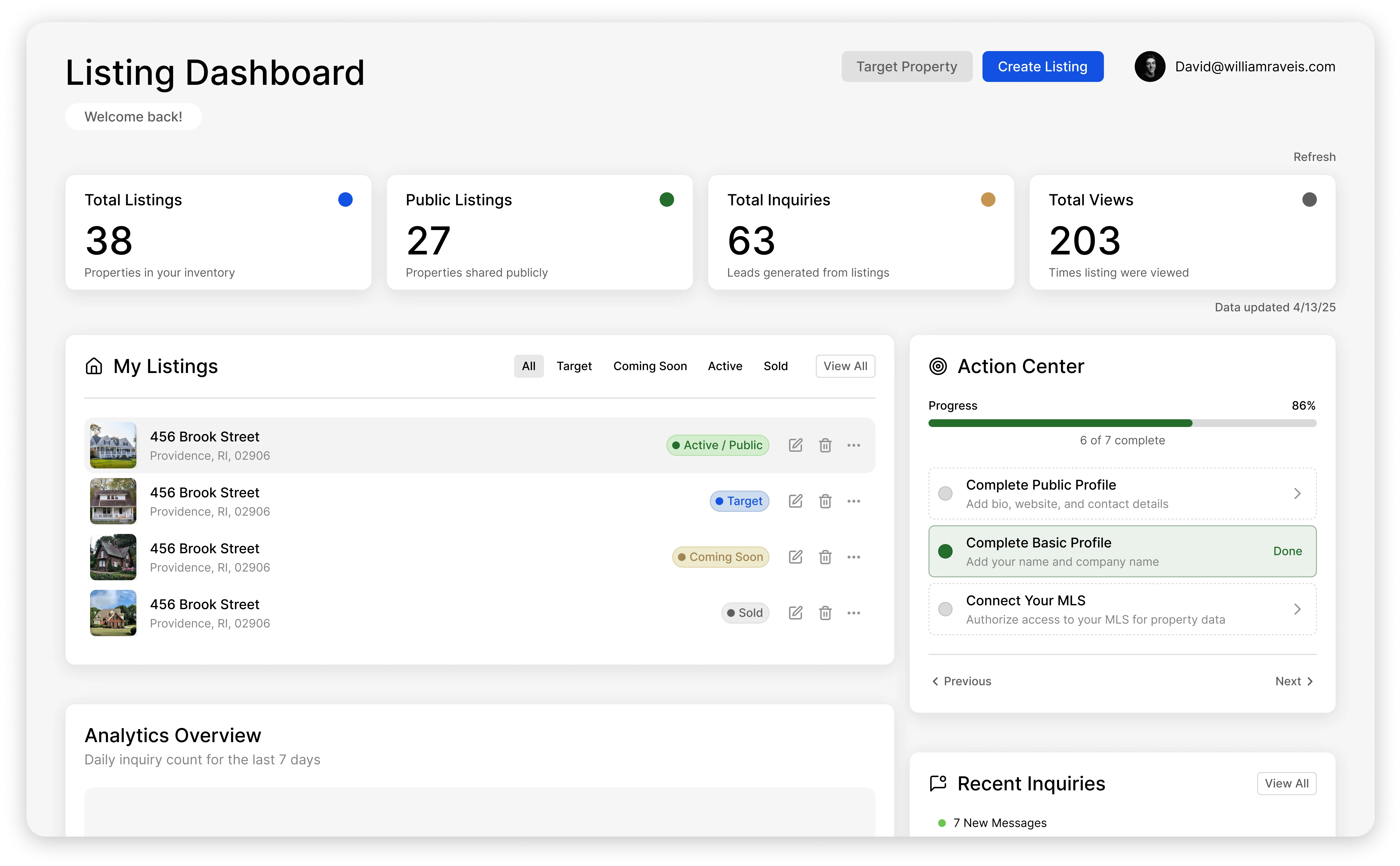
As agents rethink workflows, many are moving away from fragmented tech stacks toward unified platforms designed specifically for real estate.
Solutions like RealAnalytica aim to consolidate:
- Lead generation.
- Analytics.
- Marketing tools.
- Transaction management.
Atlas, an AI assistant built around real estate workflows, reflects a broader industry trend toward integrated AI-powered platforms.
Final Thoughts: The Agents Who Adapt Will Lead
The commission settlement represents more than regulatory change — it marks a turning point in how real estate professionals operate.
Agents who embrace transparency, structured workflows, and intelligent technology will be better positioned to succeed in this evolving environment.
Real estate has always rewarded adaptability. Today, that adaptability means understanding how workflows, expectations, and tools are changing — and moving forward with intention.
Sources & Industry References
The insights and data referenced in this article are based on current industry reporting, National Association of REALTORS® publications, and real estate technology research, including:
- National Association of REALTORS® (NAR). What the NAR Settlement Means for Home Buyers and Sellers.
- National Association of REALTORS®. Realtors Embrace AI and Digital Tools to Enhance Client Service — NAR Technology Survey.
- National Association of REALTORS®. Technology with a Human Touch: How REALTORS® Are Using Technology Tools.
- HousingWire. NAR Technology Survey and AI Adoption Trends Among Real Estate Agents.
- APS Law Group. Understanding the NAR Commission Settlement and Its Impact on Real Estate Compensation Structures.
- Industry reporting from major real estate media outlets covering post-settlement policy changes, workflow impacts, and market adaptation trends.